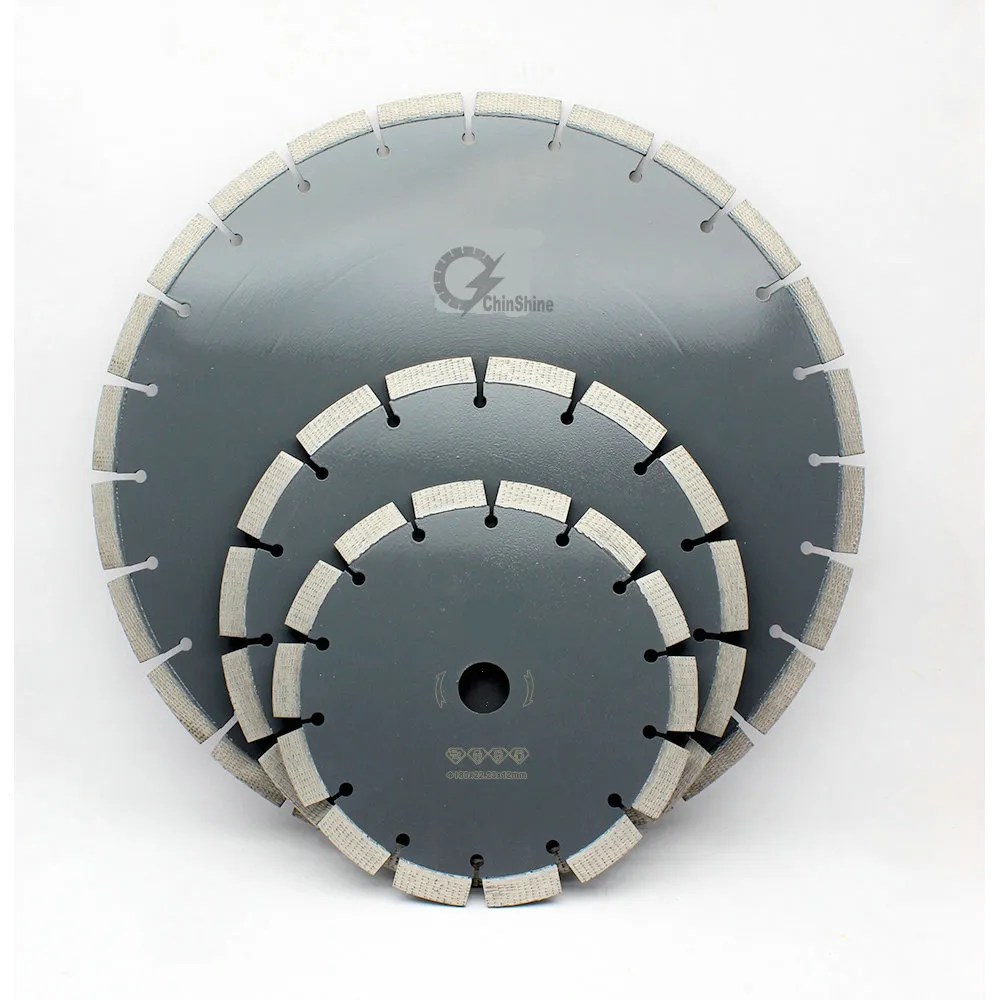
When it comes to cutting concrete, the right tool is everything. Concrete cutting discs are indispensable in both construction and DIY projects, known for their efficiency and precision in slicing through dense materials. But not all concrete cutting discs are created equal. In this guide, we’ll break down what you need to know about concrete cutting discs to make sure you’re using the best tool for the job.
1. What is a Concrete Cutting Disc?
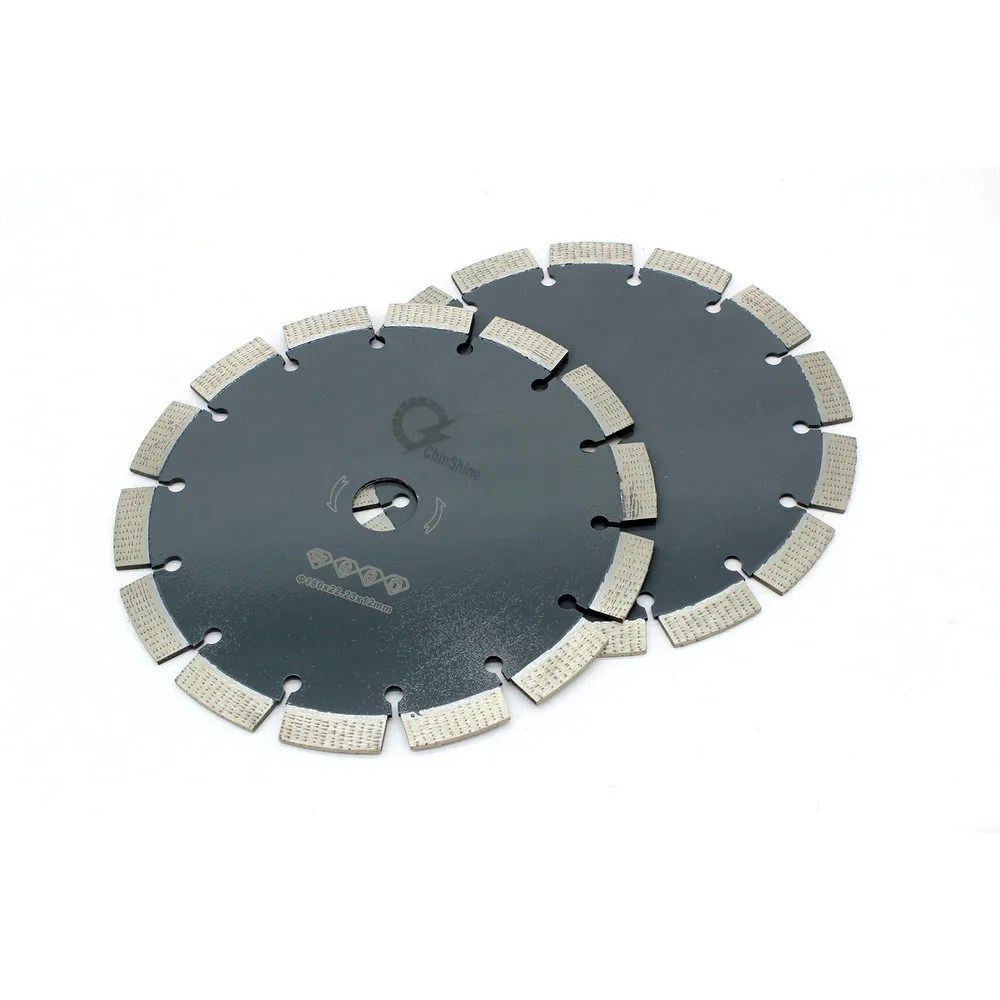
A concrete cutting disc is a specialized, circular blade designed for cutting through concrete and other hard materials, like brick and stone. Typically, these discs are fitted onto an angle grinder or a specialized cutting machine and can handle the demanding nature of concrete cutting. With robust durability and various design options, these discs are designed to handle heavy-duty work.
2. Key Features to Look for in Concrete Cutting Discs
- Material Composition: Most concrete cutting discs are embedded with diamond grits, which make them hard enough to cut through concrete. Diamond cutting discs, also known as diamond blades, are the top choice for serious projects because of their longevity and cutting efficiency.
- Disc Diameter: The size of the disc you choose depends on the depth of cut required. Common sizes range from 4.5 inches for small projects to 14 inches or more for industrial use.
- Arbor Size: The arbor is the central hole of the disc, which fits onto the machine. Matching the arbor size with your grinder or cutter is essential for safety and efficiency.
- Segmented, Turbo, or Continuous Rim:
- Segmented Rim discs have gaps that allow air to cool the blade during use, ideal for dry cutting.
- Turbo Rim discs offer faster cutting and reduced chipping, balancing smooth cuts and cooling properties.
- Continuous Rim discs provide smooth, chip-free cuts, best suited for wet cutting applications to prevent overheating.
3. Dry Cutting vs. Wet Cutting
Concrete cutting discs are designed for both dry cutting and wet cutting. Dry cutting is convenient but produces dust, which may require wearing protective gear. Wet cutting, on the other hand, requires a water source to cool the blade and reduce dust, extending the blade’s life and minimizing heat buildup.
Tip: For larger jobs or prolonged use, wet cutting is usually the better choice to protect both the blade and the user from excessive dust and heat.
4. Selecting the Right Disc for Your Project
- For Small DIY Projects: A smaller diamond blade, such as a 4.5-inch disc, is sufficient for smaller home projects, like creating a pathway or edging garden beds.
- For Larger Commercial Projects: For tasks like cutting through slabs or blocks, consider a high-performance, 14-inch segmented or turbo disc, especially when durability and cutting speed are critical.
5. How to Properly Use and Maintain Concrete Cutting Discs
- Safety First: Wear goggles, gloves, and a mask to protect against dust and flying debris.
- Avoid Overheating: Avoid pushing the blade too hard into the material, which can cause overheating and damage.
- Regular Inspection: Check for cracks or worn edges before use. A damaged disc can cause machine damage or injury.
- Proper Storage: Store discs in a dry, cool place to prevent rust and warping.
6. Innovations and Advancements in Concrete Cutting Technology
Recent advancements in concrete cutting technology have led to the development of ultra-thin, high-speed diamond blades. These innovations not only improve precision but also reduce energy consumption and dust, making concrete cutting safer and more efficient. Additionally, modern discs feature enhanced bonding technologies, which keep the diamonds in place longer, resulting in greater longevity and performance.
7. Cost vs. Quality: Is a Premium Concrete Cutting Disc Worth It?
Premium cutting discs come at a higher price, but they are worth the investment for professionals and those with frequent heavy-duty cutting needs. The initial cost is balanced by longer blade life, faster cutting speeds, and reduced wear on cutting equipment. For one-off or small DIY projects, a more affordable disc may be sufficient.
8. Concrete Cutting Discs in Action: Top Applications
- Construction: Ideal for cutting slabs, concrete blocks, pavers, and reinforced concrete in construction projects.
- Landscaping: Perfect for shaping stones, concrete pavers, and other hardscaping materials.
- Home Renovation: Suitable for removing old concrete, reshaping pathways, or modifying patios.
Concrete cutting discs are essential tools that make a wide range of projects possible, from DIY landscaping to major construction work. By understanding the different types and selecting the best disc for your specific needs, you’ll ensure faster, safer, and more precise cuts every time. Whether you’re a professional or a DIY enthusiast, investing in the right concrete cutting disc will pay off in both performance and durability.
 Production Machines