Non woven fabric machine play a crucial role in the production of various home textiles. Here’s how they are used:
1. Production Process
- Fiber Preparation: Raw fibers (like polyester, polypropylene, or cotton) are prepared and fed into the machine.
- Web Formation: The machine uses processes like carding, air laying, or wet laying to create a web of fibers.
- Bonding: The web is then bonded using techniques such as thermal, chemical, or mechanical bonding to create a stable fabric.
2. Applications in Home Textiles
- Upholstery: Non-woven fabrics are commonly used in furniture upholstery due to their durability and ease of cleaning.
- Curtains and Drapes: Light-filtering non-woven fabrics are popular for making curtains, providing privacy while allowing light.
- Table Linens: Tablecloths and runners made from non-woven fabrics are often disposable or reusable, making cleanup easier.
- Bedding: Non-woven materials are used in mattress covers, pillow protectors, and even bed linens for their hypoallergenic properties.
- Insulation: Non-woven fabrics can serve as insulation layers in various home textile products, enhancing thermal performance.
3. Advantages
- Cost-Effectiveness: Non-woven fabrics are often cheaper to produce than woven fabrics.
- Customization: They can be easily customized in terms of texture, weight, and appearance.
- Breathability and Moisture Management: Many non-woven fabrics offer good breathability, making them suitable for various home applications.
4. Sustainability
- With increasing demand for eco-friendly products, non-woven fabrics made from recycled materials are gaining popularity, aligning with sustainable practices in home textiles.
In summary, non-woven fabric machines facilitate the efficient production of versatile and functional textiles that enhance the comfort and aesthetic of home environments.
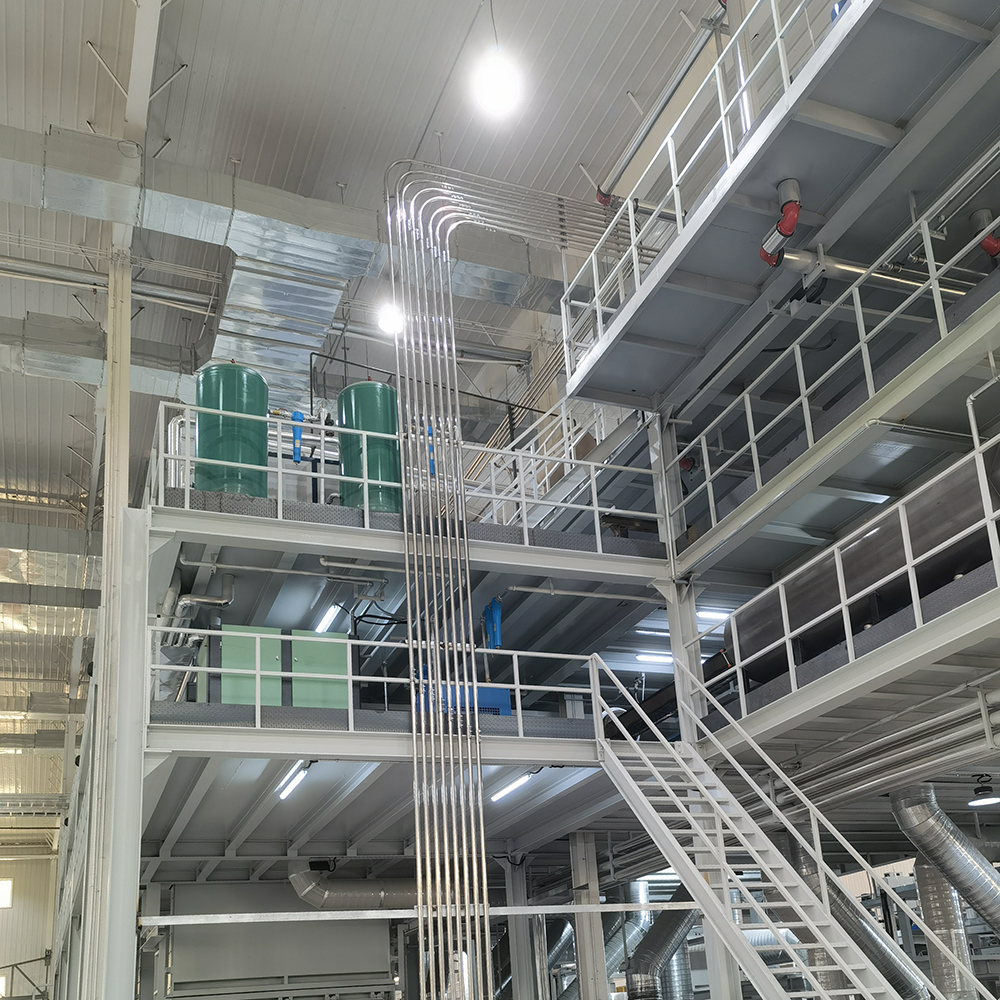
 Production Machines