The key differences between polyester pique fabric and traditional fabrics are as follows:
- Fiber Composition:
- Polyester pique is made primarily from polyester fibers, whereas traditional fabrics may be made from natural fibers like cotton, wool, or a blend of natural and synthetic fibers.
- The use of polyester fibers in pique fabric gives it unique properties that differ from natural fiber-based fabrics.
- Moisture Wicking:
- Polyester is inherently hydrophobic, meaning it does not readily absorb moisture. Instead, it wicks moisture away from the skin.
- This moisture-wicking property of polyester pique helps keep the wearer dry and comfortable, even during physical activity or in hot, humid conditions.
- Drying Time:
- Polyester pique dries much faster than traditional natural fiber fabrics, as it does not absorb and retain water in the same way.
- The quick-drying nature of polyester pique is advantageous for activities where the fabric may get wet, such as sports or outdoor pursuits.
- Durability and Wrinkle Resistance:
- Polyester fibers are generally more durable and resistant to wear and tear compared to natural fibers.
- Polyester pique fabrics also tend to be more wrinkle-resistant, maintaining a smoother, more polished appearance with less need for ironing.
- Breathability:
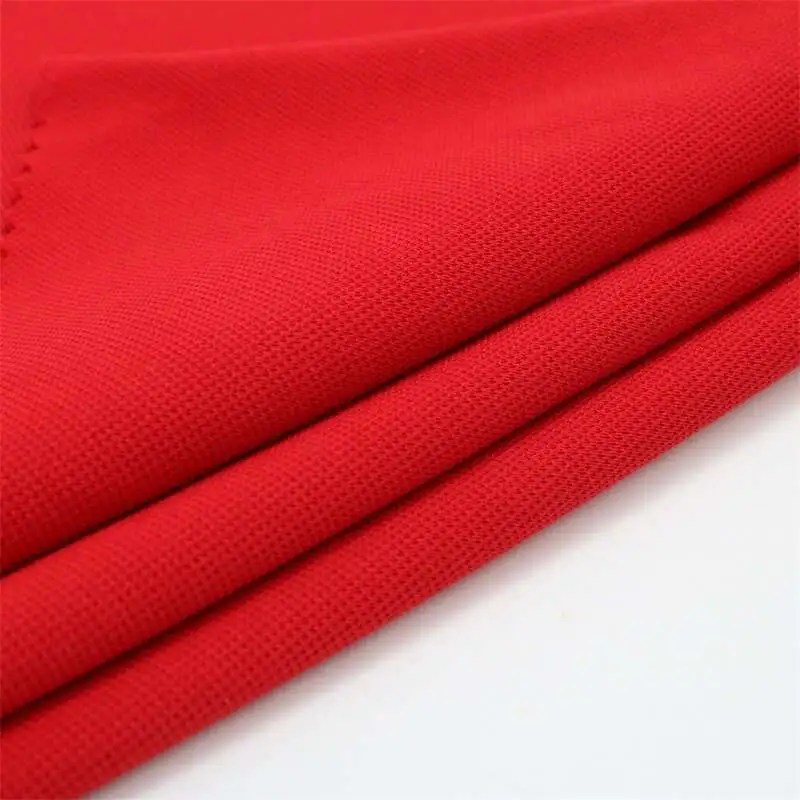
- While polyester is not as breathable as natural fibers like cotton, polyester pique fabrics are designed with a porous, textured surface that can improve airflow and ventilation.
- This enhanced breathability helps regulate body temperature and provide a more comfortable wearing experience.
- Thermal Regulation:
- Polyester pique’s moisture-wicking properties and ability to dry quickly can also contribute to improved thermal regulation, helping the wearer feel cooler in warm conditions and warmer in cool conditions.
- Stretch and Comfort:
- Polyester pique fabrics can be engineered to have a degree of stretch and flexibility, providing a more comfortable and accommodating fit for the wearer.
In summary, the key differences between polyester pique fabric and traditional fabrics lie in the fiber composition, moisture management, drying time, durability, breathability, and thermal regulation properties, which can make polyester pique a desirable choice for various applications, such as activewear, sportswear, and casual clothing.
 Production Machines